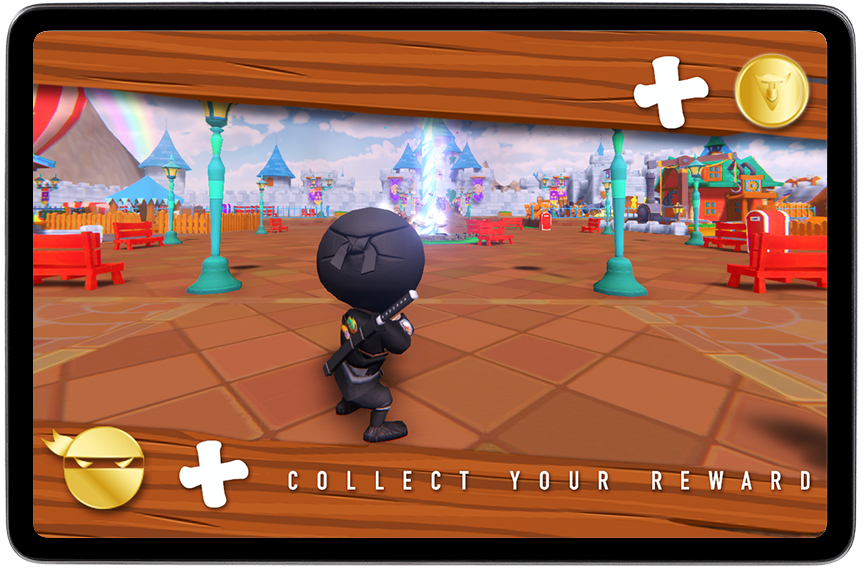
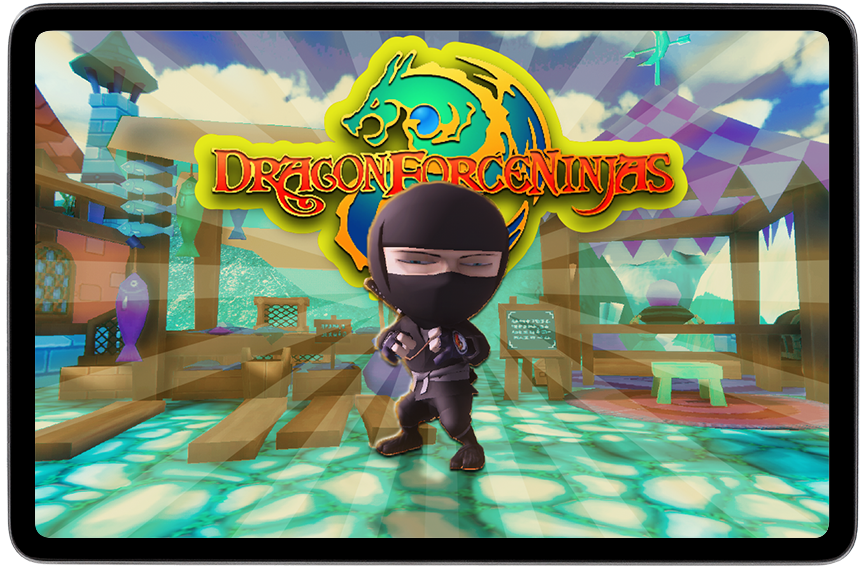
Dragon Force Ninja - Gaming Industry

Case Overview:

A new and emerging brand in the gaming industry approached us to develop a game that seamlessly blends education and entertainment. The objective was to create an engaging experience that captivates players of all ages while offering meaningful learning value.

To meet this vision, we set out to design a game that is not only visually appealing and feature-rich but also intellectually stimulating—something players can enjoy and proudly share their newfound knowledge from.

Thus, the concept of Dragon Force Ninja was born.

Looking for Something Similar?

Our consultants are ready to hear your idea. Request a free consultation with our app experts and transform it into a digital reality.

Challenge:

Game development is typically a time-intensive process, often taking six months to two years to complete. However, due to the client’s desire for an expedited launch, we faced a compressed timeline, which required conducting research under tight constraints. Prioritizing brainstorming sessions with the team and incorporating stakeholder feedback was essential. Additionally, each new design iteration had the potential to set progress back by a day, making efficient collaboration critical. To optimize time, we maintained continuous communication with both the team and stakeholders, promptly integrating feedback to advance the design process.

PHASE I:

Ideation and conceptualization:

During the idea creation phase, we developed initial rough sketches of the game and created a mock-up to visualize the concept. Once the idea was approved, we proceeded with conceptual art, carefully selecting the color palette, theme, character apparel, locations, textures, and all other design elements integral to the game’s features. Leveraging insights from the discovery sessions and competitor analysis, we formulated a comprehensive creative strategy. Initial game sketches were produced using Adobe Illustrator and Adobe Photoshop.

PHASE II:

UI/UX Design

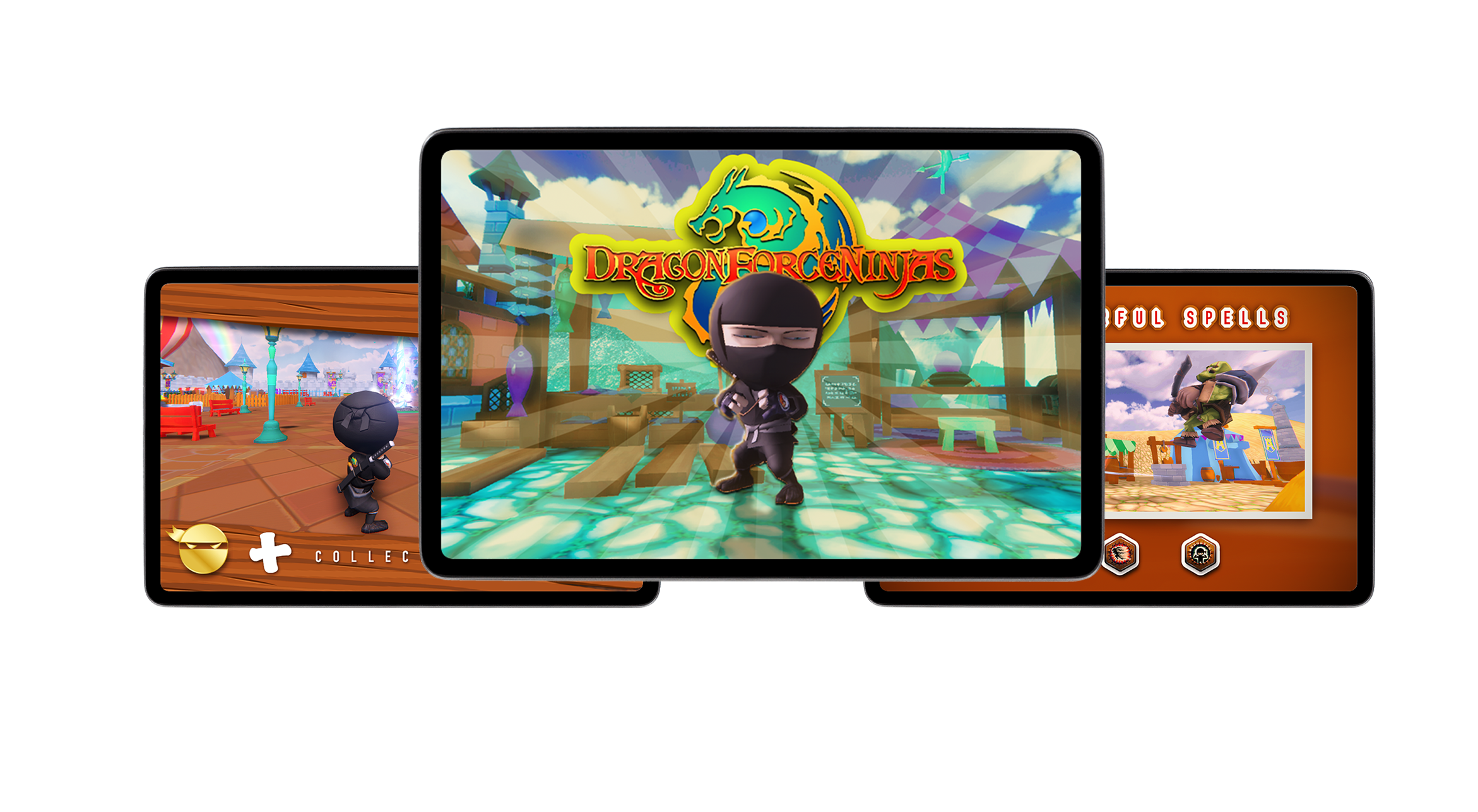
To inform our design process, we researched various artists who painted, drew, and photographed ninjas, studying their techniques and styles. This research guided the development of a UI and UX design that was both authentic to the brand and engaging for the target audience. The selected color palette was optimized for compatibility across both Android and iOS devices. The software used during the 3D design phase included Autodesk Maya, Unity, ZBrush, Substance Painter, and Adobe Photoshop.

3D Design Development:

During the development phase, project tasks were divided among team members, with clear deadlines established. One team focused on designing and developing the game’s assets, while the other concentrated on UI and UX design and implementation.

Looking for Something Similar?

Our consultants are ready to hear your idea. Request a free consultation with our app experts and transform it into a digital reality.

PHASE III:

Testing and Launch

During the development process, we conducted beta testing to evaluate the game’s functionality and features. Through multiple rounds of testing by both developers and research groups, we were able to identify and resolve bugs and glitches. This thorough testing process enabled us to launch a polished, engaging, and immersive game for the target audience.

RESULTS:

  • Received positive feedback from players, with particular appreciation for the game’s graphics and overall experience, indicating a low churn rate.
  • WebApp Founder successfully developed a game that is engaging, informative, and entertaining for the target audience.
  • Completed the game within the agreed-upon timeframe, marking a significant achievement for the client.
  • Ensured compatibility with Android devices running version 4.1 and above.